06 Jun Keeper Sturgeon Fishing Columbia River: Seasons, Regulations, and Expert Tips
Introduction
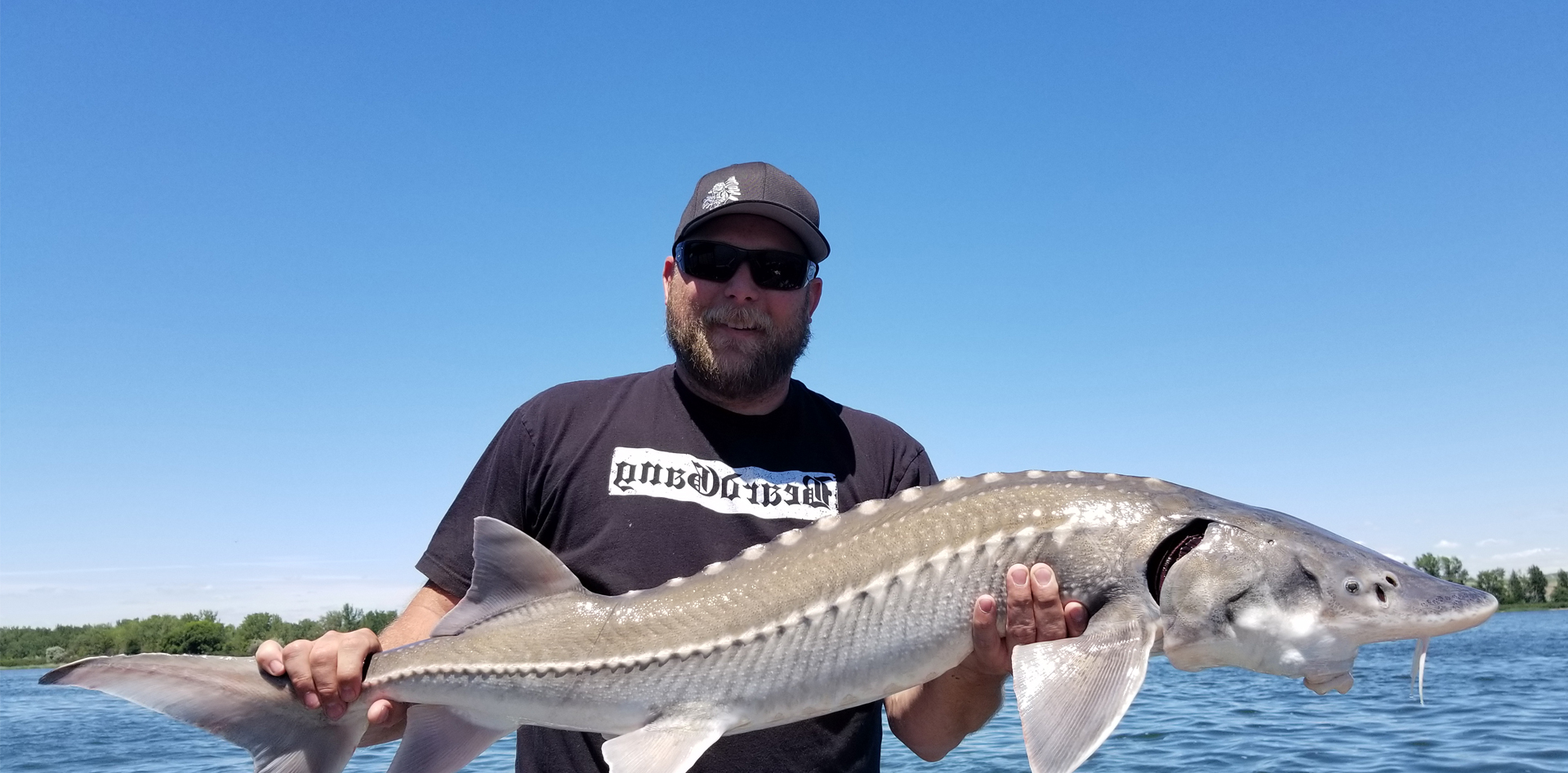
Keeper Sturgeon Fishing Columbia River is one of the most exciting freshwater fishing experiences available in the Pacific Northwest. The Columbia River is home to one of the largest populations of white sturgeon in North America, attracting anglers who are eager to target these prehistoric giants. While catch-and-release sturgeon fishing remains popular throughout much of the river system, keeper sturgeon fishing provides anglers with the opportunity to legally harvest fish that fall within specific size regulations established by fishery managers.
Sturgeon have inhabited the Columbia River for millions of years and are known for their incredible size, strength, and longevity. Catching one can be a memorable experience, whether you’re a seasoned angler or fishing for sturgeon for the first time. Understanding regulations, seasonal opportunities, productive fishing locations, and responsible fishing practices is essential for anyone planning a successful sturgeon fishing trip on the Columbia River.
What Is Keeper Sturgeon Fishing?
Keeper sturgeon fishing refers to the legal harvest of white sturgeon that meet specific size requirements established by fisheries agencies. These regulations are designed to protect juvenile fish while preserving larger breeding populations that are critical for maintaining healthy sturgeon numbers in the future.
Unlike many freshwater species, sturgeon regulations are often highly specific and may change from year to year depending on population assessments and conservation goals. Anglers are typically allowed to retain only fish that fall within designated size slots, while all others must be released immediately.
The appeal of keeper sturgeon fishing comes from both the challenge of catching these powerful fish and the opportunity to legally harvest a carefully regulated resource. White sturgeon are known for their firm, high-quality meat, making them a prized catch among many anglers. However, success requires understanding current regulations and fishing responsibly to support long-term sustainability.
Current Regulations and Limits
One of the most important aspects of Keeper Sturgeon Fishing Columbia River is staying informed about current regulations. Fisheries agencies carefully manage sturgeon populations by implementing harvest seasons, retention limits, and size restrictions. These rules may vary depending on river section, season, and annual population assessments.
Most regulations focus on protecting young fish and large breeding adults. Anglers are typically allowed to keep only sturgeon that fall within a specific size range. Fish that are too small or too large must be released immediately to ensure the continued health of the population.
Seasonal harvest quotas are another important management tool. In some areas, fishing seasons may close once harvest quotas are reached. Because regulations can change annually, anglers should always review the latest rules before planning a trip. Staying informed helps ensure compliance while supporting responsible fisheries management.
Understanding local regulations not only prevents potential violations but also contributes to the long-term success of one of the Columbia River’s most valuable fisheries.
Best Seasons and Locations
Timing and location play major roles in successful sturgeon fishing. While sturgeon can be found in the Columbia River throughout the year, certain seasons and locations consistently produce better results than others.
Bonneville Pool
The waters above Bonneville Dam have long been recognized as one of the most productive sturgeon fishing areas in the Columbia River system. Deep channels and abundant food sources attract sturgeon throughout much of the year.
The Dalles Pool
The Dalles Pool offers excellent habitat for white sturgeon and is a popular destination among anglers targeting keeper fish. The area’s structure and river depth create ideal holding areas for feeding sturgeon.
John Day Pool
John Day Pool consistently produces quality sturgeon fishing opportunities due to its productive habitat and healthy fish populations. Many anglers target this area during designated harvest seasons.
Lower Columbia River
The lower river also supports significant sturgeon populations. Seasonal migrations and changing water conditions can create productive fishing opportunities in this region depending on current regulations and fishing seasons.
Spring and early summer are often among the most productive periods for targeting keeper sturgeon. Water temperatures, fish movement, and feeding activity frequently combine to create favorable fishing conditions during these months.
Tips for Successful Catches
Sturgeon fishing requires patience, preparation, and attention to detail. These powerful fish often inhabit deep channels and river bottoms where they feed on a variety of natural food sources. Understanding their behavior can significantly improve fishing success.
Use Heavy-Duty Equipment
White sturgeon are among the strongest freshwater fish in North America. Anglers should use sturdy rods, powerful reels, and heavy line capable of handling large fish and strong river currents.
Fish Near the Bottom
Sturgeon are bottom feeders, making proper bait presentation essential. Most successful anglers position their bait directly on or near the river bottom where sturgeon naturally search for food.
Choose Effective Baits
Popular sturgeon baits include eel, salmon parts, shrimp, and other natural offerings. Fresh bait often produces the best results, especially in heavily fished areas.
Be Patient
Sturgeon fishing often requires extended waiting periods between bites. Successful anglers remain patient and focus on maintaining proper bait placement throughout the day.
Monitor River Conditions
Changes in river flow, water temperature, and seasonal fish movement can influence sturgeon behavior. Staying aware of current conditions helps anglers adjust their strategies and improve results.
Combining these techniques with local knowledge can dramatically increase the likelihood of a productive fishing trip.
Conservation and Responsible Fishing
Conservation plays a critical role in the future of Columbia River sturgeon populations. White sturgeon are slow-growing fish that can live for many decades, making careful management essential. Responsible angling practices help ensure that future generations can continue to enjoy this remarkable fishery.
Proper fish handling is especially important when releasing sturgeon. Anglers should minimize air exposure, support the fish appropriately, and return it to the water as quickly as possible. Large breeding fish are particularly valuable to population health and should be handled with extra care.
Following all regulations, respecting harvest limits, and reporting catches when required contribute directly to conservation efforts. Fisheries managers rely on accurate information and angler cooperation to make informed decisions regarding future seasons and regulations.
Many anglers also choose to practice voluntary catch-and-release fishing, even when harvest opportunities are available. This approach further supports conservation while allowing fishermen to enjoy the challenge of catching these incredible fish.
Responsible fishing practices ensure that Columbia River sturgeon populations remain healthy and sustainable for years to come.
Benefits of Hiring a Guide
Many anglers choose professional guide services when targeting sturgeon for the first time. Local guides possess extensive knowledge of river conditions, productive fishing locations, seasonal fish movements, and current regulations. Their expertise can greatly improve the overall fishing experience.
Guided trips often provide access to quality equipment, proven fishing techniques, and productive locations that may be difficult for newcomers to identify independently. Guides also help anglers understand proper fish handling procedures and ensure compliance with all applicable regulations.
For visitors traveling from outside the region, hiring a guide can save valuable time while increasing the likelihood of success. Many experienced anglers view guide services as one of the most effective ways to learn about Columbia River sturgeon fishing while maximizing opportunities on the water.
Conclusion
Keeper Sturgeon Fishing Columbia River offers anglers a unique opportunity to pursue one of North America’s most remarkable freshwater fish. The combination of powerful fish, scenic river environments, carefully managed harvest opportunities, and rich fishing traditions makes sturgeon fishing a truly memorable experience. Whether targeting your first keeper sturgeon or adding to years of angling experience, the Columbia River provides exceptional opportunities throughout designated fishing seasons.
By understanding current regulations, selecting productive locations, utilizing effective fishing techniques, and practicing responsible conservation, anglers can enjoy successful and sustainable sturgeon fishing adventures. For those seeking excitement, challenge, and a connection to one of the world’s oldest fish species, few experiences compare to sturgeon fishing on the Columbia River.
FAQs
1. What is a keeper sturgeon?
A keeper sturgeon is a fish that falls within the legal size limits established by fisheries regulations and may be retained by anglers during authorized seasons.
2. Where are the best sturgeon fishing locations on the Columbia River?
Popular locations include Bonneville Pool, The Dalles Pool, John Day Pool, and portions of the Lower Columbia River.
3. What bait works best for white sturgeon?
Commonly used baits include eel, salmon parts, shrimp, and other natural offerings that sturgeon regularly feed on.
4. Why are size restrictions important?
Size limits help protect juvenile fish and large breeding adults, ensuring healthy and sustainable sturgeon populations.
5. Should beginners hire a fishing guide?
Yes. Professional guides can improve success rates, provide local expertise, and help anglers understand regulations and fishing techniques.
No Comments