23 Jun Columbia River Fishing Secrets for Better Catch Rates
Proven Ways to Catch More Fish on the Columbia River
The Columbia River is recognized as one of the premier fishing destinations in North America, attracting anglers from around the world throughout the year. Its massive size, diverse habitats, and healthy fish populations create opportunities for both beginners and experienced fishermen. Success on this river often comes from understanding local conditions, seasonal fish behavior, and the right approach for different species. Anglers who prepare carefully and adapt to changing conditions generally experience more consistent results. Learning proven strategies can help maximize every outing while creating a more enjoyable and rewarding fishing experience.
Understanding River Conditions
The Columbia River changes constantly due to weather patterns, water releases, and seasonal runoff. These changes directly influence where fish travel, feed, and rest during different times of the year. Successful anglers spend time observing river conditions before choosing locations and presentations. Water clarity, temperature, and current speed often determine how fish respond to bait and lures. By paying close attention to environmental factors, anglers can make smarter decisions and improve their chances of finding active fish throughout the river system during any season.
Water Temperature and Fish Movement
Water temperature has a significant impact on fish activity and feeding behavior. Different species prefer specific temperature ranges and often move accordingly when conditions change. Warmer water may encourage feeding activity in some species, while cooler temperatures may push fish into deeper holding areas. Monitoring temperature trends helps anglers predict likely fish locations and adjust their plans effectively. Consistently tracking these conditions before and during a trip provides valuable information that can lead to more productive fishing opportunities on the Columbia River.
Current Flow and Feeding Areas
Current flow shapes fish behavior by influencing how food moves through the river. Many fish position themselves near current breaks where they can conserve energy while waiting for baitfish and other food sources. These areas frequently become productive fishing spots because they provide easy feeding opportunities. Understanding how water moves around structures, ledges, and channels allows anglers to identify high-percentage locations. Properly targeting these feeding zones often results in increased action and a better chance of landing quality fish throughout the day.
Choosing the Right Equipment
Having the correct gear can make a noticeable difference in both presentation and fish-fighting performance. The Columbia River supports a variety of species, each requiring slightly different equipment setups. Selecting rods, reels, lines, and terminal tackle suited to the target species helps improve efficiency and confidence. Reliable equipment reduces the risk of failures and allows anglers to focus on locating fish. Investing in quality gear and maintaining it properly ensures consistent performance during long days on the water and challenging fishing conditions.
Rod and Reel Selection
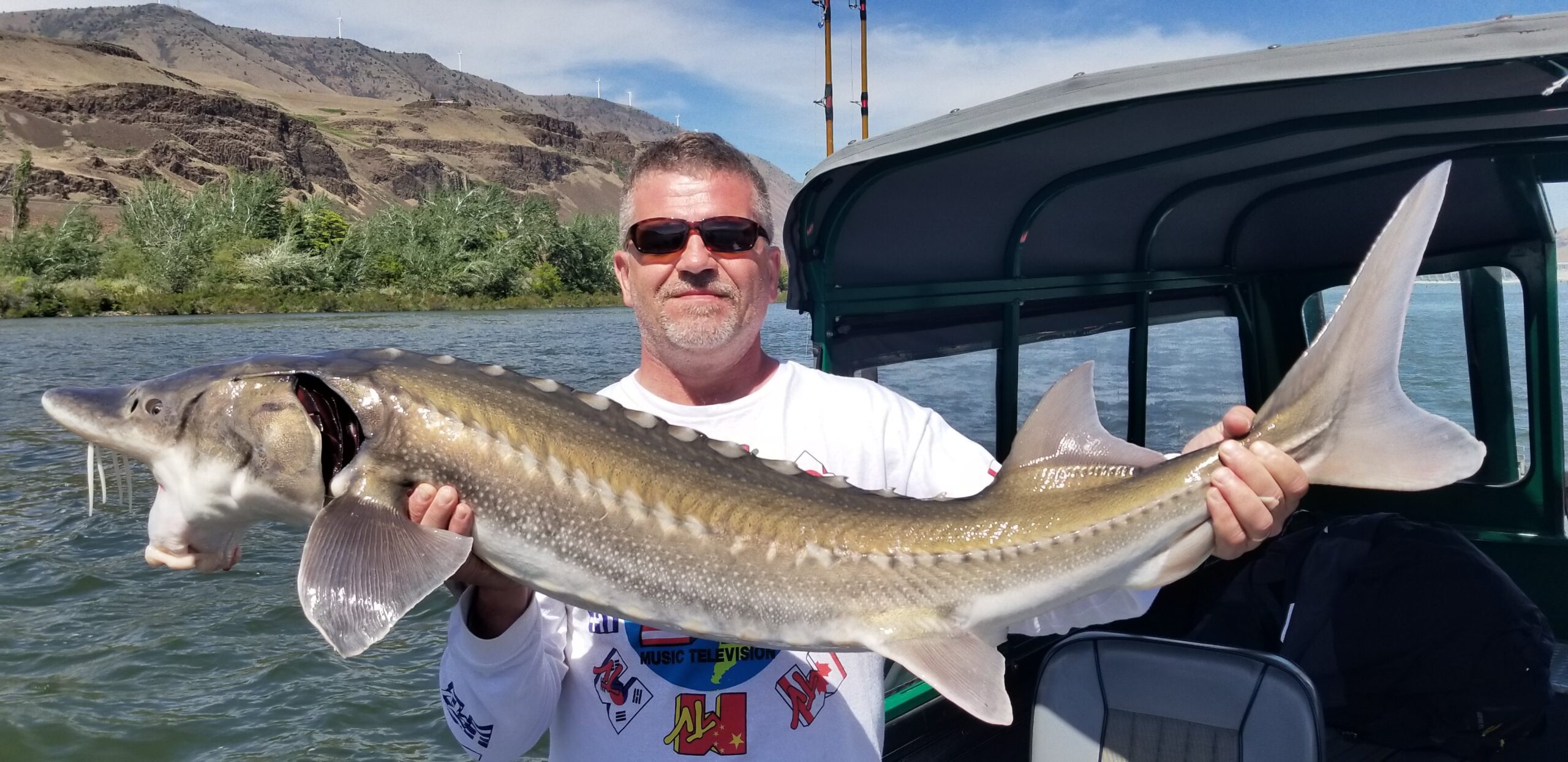
Rod and reel combinations should match the species being targeted and the fishing style being used. Heavier setups are often preferred for large fish such as sturgeon, while lighter combinations work well for steelhead and smaller species. A balanced setup improves casting accuracy, sensitivity, and fish control. Choosing equipment that feels comfortable for extended use also helps reduce fatigue during longer trips. The right combination allows anglers to detect subtle bites and respond effectively when opportunities arise on the river.
Line and Tackle Considerations
Line strength and terminal tackle play an important role in successful fishing. Strong, reliable line helps withstand aggressive runs and challenging river conditions. Hooks, leaders, swivels, and weights should be selected based on the target species and presentation style. Quality tackle improves reliability and reduces the likelihood of losing fish during critical moments. Regularly inspecting and replacing worn components ensures optimal performance. Attention to these details can significantly improve overall success and prevent avoidable equipment-related problems while fishing.
Locating Productive Water
Finding active fish is often more important than selecting a particular lure or bait. Fish tend to gather in areas that provide food, protection, and comfortable conditions. Learning how to identify these locations is one of the most valuable skills an angler can develop. Productive water often changes with river conditions, making observation essential. Understanding where fish prefer to spend time allows anglers to focus their efforts efficiently and avoid spending valuable time in areas with limited potential.
Deep Channels and Holding Zones
Deep channels serve as travel routes and resting areas for many fish species. These locations provide stable conditions and protection from strong currents and predators. Fish frequently move through these areas during seasonal migrations and periods of changing weather. Targeting deeper water can produce consistent action when other locations become less productive. Anglers who learn to identify holding zones often gain a significant advantage because these areas regularly attract fish throughout much of the year.
Structure and Cover
Submerged rocks, ledges, and underwater features create ideal fish habitat by altering current flow and providing shelter. Fish use these areas to conserve energy while remaining close to feeding opportunities. Structure often concentrates fish, making it easier for anglers to locate productive spots. Careful observation and the use of modern electronics can help identify hidden features beneath the water’s surface. Consistently targeting these areas increases the likelihood of encountering active fish and generating more strikes during a fishing trip.
Seasonal Approaches for Success
Every season presents unique opportunities and challenges for anglers on the Columbia River. Fish behavior changes throughout the year due to environmental conditions and migration patterns. Understanding seasonal trends helps anglers adapt their strategies and remain productive regardless of the time of year. Successful fishermen recognize that flexibility is essential and regularly adjust their methods based on current conditions. Applying season-specific approaches can improve catch rates and lead to more enjoyable experiences on the water.
Spring and Summer Opportunities
Spring often brings increased activity as fish begin moving more aggressively throughout the river system. Rising temperatures and seasonal migrations create exciting opportunities for anglers targeting multiple species. During summer, fish may become more active during cooler morning and evening periods. Adjusting fishing times to match peak activity levels can significantly improve results. Paying attention to seasonal patterns allows anglers to maximize opportunities and take advantage of productive conditions during these popular fishing months.
Fall and Winter Strategies
Fall is widely considered one of the most productive seasons due to major fish movements and favorable environmental conditions. Many anglers look forward to this period because of increased opportunities for quality catches. Winter fishing can also be rewarding for those willing to adapt their methods. Slower presentations and greater patience often become necessary as colder water temperatures affect fish behavior. Understanding these seasonal adjustments helps maintain success even when conditions become more challenging.
Adapting to Daily Changes
Conditions on the Columbia River can shift quickly throughout the day. Weather, water levels, and fish activity often change with little warning, requiring anglers to remain flexible. Those who monitor conditions closely and make adjustments as needed frequently outperform anglers who rely on a single approach. Experimenting with locations, depths, and presentations helps identify what fish prefer at a given time. Consistent observation and adaptation remain key elements of successful fishing on this dynamic river system.
Weather and Fish Activity
Weather patterns influence feeding behavior and movement throughout the river. Changes in barometric pressure, cloud cover, and wind direction can affect how aggressively fish feed. Monitoring forecasts before and during a trip helps anglers prepare for changing conditions. Understanding the relationship between weather and fish behavior allows for smarter decisions on the water. This knowledge often leads to better timing, improved presentations, and increased opportunities to connect with active fish.
The Value of Patience and Observation
Patience is one of the most important qualities an angler can develop. Fish behavior can change throughout the day, and productive periods may occur unexpectedly. Careful observation of water conditions, bait activity, and fish movements often reveals valuable clues. Anglers who remain attentive and willing to adjust their approach typically achieve better results over time. Combining patience with consistent effort creates a strong foundation for long-term success on the Columbia River.
Conclusion
Mastering Fishing Techniques on the Columbia River requires preparation, observation, adaptability, and persistence. Understanding river conditions, selecting appropriate equipment, locating productive water, and adjusting to seasonal changes all contribute to better results. Successful anglers continuously learn from their experiences and refine their strategies based on current conditions. By applying these proven methods and maintaining a flexible approach, fishermen can improve their catch rates while enjoying everything this remarkable river has to offer. Every trip provides an opportunity to gain knowledge, build confidence, and create unforgettable fishing memories.
No Comments