13 Jun Best Time for Columbia River Salmon Fishing
Understanding Salmon Seasons on the Columbia River
Columbia River Salmon Fishing is one of the most popular outdoor activities in the Pacific Northwest. Every year, thousands of anglers travel to Oregon and Washington to experience the excitement of targeting migrating salmon on one of North America’s most famous river systems. The Columbia River supports several seasonal salmon runs, creating fishing opportunities throughout much of the year. Understanding when fish are moving through the system can significantly improve success rates and help anglers plan a more productive trip.
The timing of salmon migrations changes slightly each year due to weather conditions, water temperatures, and river flow. While salmon can be found during different seasons, certain months consistently produce better results than others. Anglers who understand these patterns often enjoy more action and a greater chance of landing quality fish.
Why Timing Matters for Salmon Fishing
Salmon are migratory fish that follow specific routes as they travel toward spawning grounds. During these migrations, fish move through different sections of the river at different times of the year. Because of this predictable movement, some months offer far greater opportunities than others.
Successful anglers pay close attention to migration reports, water conditions, and seasonal trends. Fish behavior often changes depending on temperature and river flow, making timing one of the most important factors in fishing success. Choosing the right season allows anglers to target larger concentrations of fish and enjoy a more rewarding experience on the water.
Understanding when fish are most active also helps visitors avoid slow periods and maximize the value of their fishing trip.
Spring Salmon Season
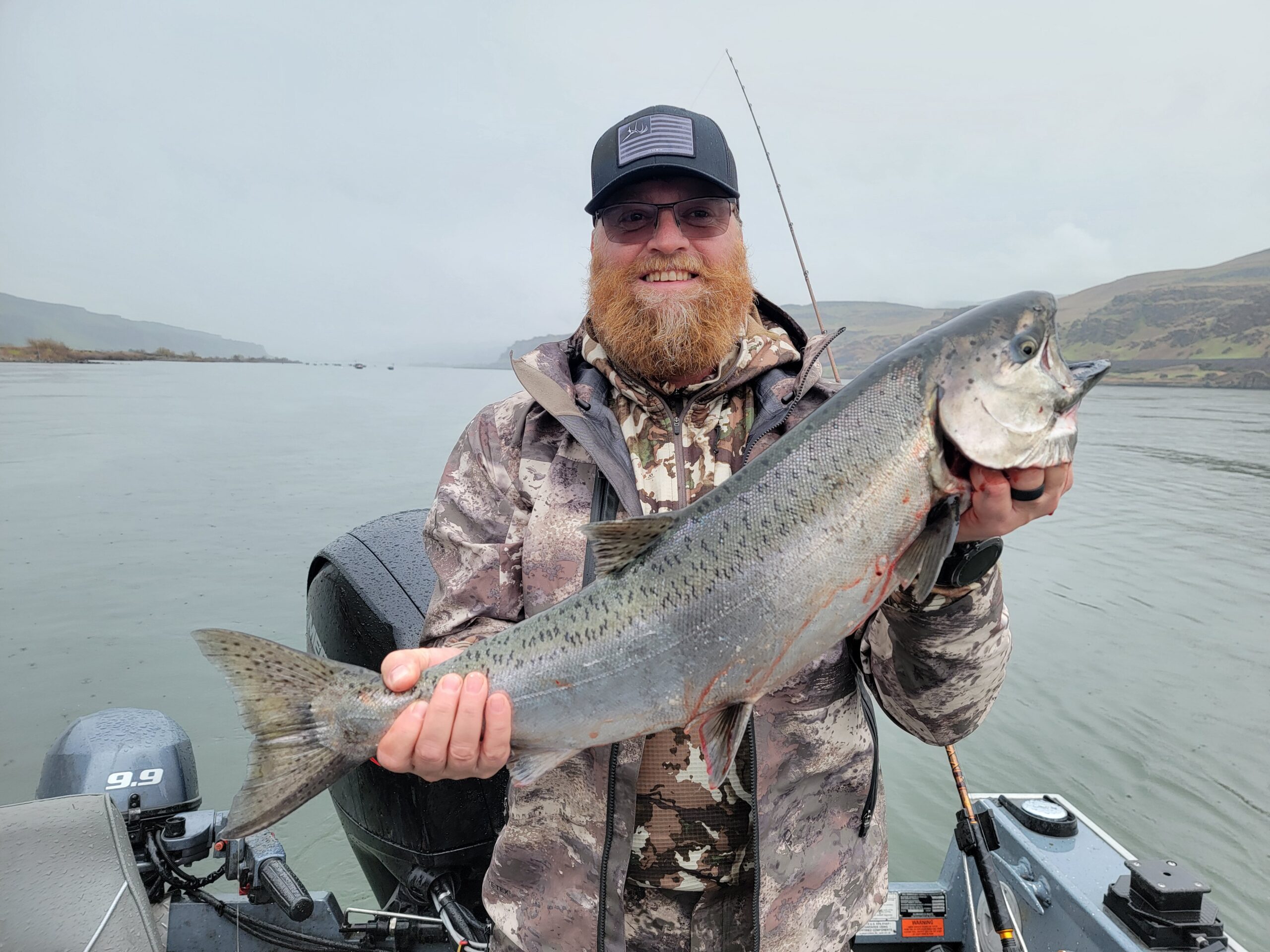
Spring is widely considered one of the best times to target salmon on the Columbia River. Spring Chinook are especially prized because of their quality, strength, and excellent fighting ability. As these fish begin their migration upstream, anglers have opportunities to intercept them in productive sections of the river.
Many experienced fishermen consider spring one of the most exciting times of the year because fish are fresh from the ocean and known for aggressive fights. Water temperatures are generally favorable, and fishing conditions often remain consistent throughout much of the season.
Because of the popularity of spring salmon fishing, many anglers begin planning trips months in advance. Peak migration periods often attract both local fishermen and visitors from across the country who want to experience one of the most sought-after fisheries in the Pacific Northwest.
Summer Salmon Opportunities
Summer continues to provide excellent fishing opportunities as additional salmon enter the river system. Longer daylight hours and warmer weather make this season attractive for anglers looking to spend more time on the water.
Fish behavior can change during warmer months, requiring adjustments in fishing strategies. Salmon may hold at different depths or respond differently to bait presentations depending on water temperatures and current conditions. Experienced anglers understand the importance of adapting techniques throughout the season.
Summer is also a popular time for family fishing adventures. Comfortable weather and steady fishing opportunities make it an excellent choice for anglers who want to combine outdoor recreation with the excitement of targeting salmon.
Fall Salmon Fishing
Fall is another outstanding season for anglers targeting salmon. Large numbers of fish move through the river during this time, creating excellent opportunities throughout many sections of the Columbia River system.
Cooler temperatures often improve fishing conditions and increase fish activity. Many anglers appreciate the combination of productive fishing and beautiful scenery as autumn colors begin to appear along the riverbanks. Fall trips are especially popular among anglers looking to experience strong fish runs before winter arrives.
The size and strength of migrating fish during this period make fall one of the most anticipated seasons for serious salmon anglers. Many visitors return year after year specifically to take advantage of these seasonal opportunities.
Factors That Influence Salmon Activity
Several environmental factors affect salmon behavior throughout the year. Water temperature is one of the most important because it influences migration timing and fish movement. Changes in river flow can also impact where fish travel and where anglers are most likely to find them.
Weather conditions play a role as well. Wind, rain, and changing atmospheric conditions can influence daily fishing success. While salmon continue migrating regardless of weather, certain conditions may affect how actively they respond to presentations.
Food availability, river clarity, and seasonal patterns also contribute to fish behavior. Understanding these factors helps anglers make informed decisions about when and where to fish.
Choosing the Right Time for Your Fishing Trip
The best time for a fishing trip often depends on personal goals and preferences. Some anglers prioritize peak migration periods, while others prefer less crowded conditions and more relaxed fishing experiences.
Spring and fall generally offer the strongest opportunities for salmon anglers, but summer can also provide productive fishing depending on current conditions. Planning around seasonal fish movements helps increase success while allowing anglers to experience different aspects of the Columbia River fishery.
Consulting local fishing reports and understanding seasonal trends can make trip planning much easier. Anglers who prepare in advance often enjoy a smoother and more rewarding experience on the water.
Preparing for a Successful Fishing Adventure
Preparation is essential for any successful fishing trip. Anglers should bring weather-appropriate clothing, valid fishing licenses, and any personal items needed for a comfortable day outdoors. River conditions can change quickly, making flexibility an important part of the experience.
Patience is equally important. Even during peak seasons, fish activity can vary from day to day. Maintaining realistic expectations and focusing on the overall experience often leads to a more enjoyable trip.
Many anglers find that spending time on the Columbia River offers benefits beyond simply catching fish. The scenery, wildlife, and natural beauty of the region create memories that last long after the trip ends.
Plan Your Next Salmon Fishing Trip
The Columbia River continues to provide some of the best salmon fishing opportunities in the Pacific Northwest. Whether you prefer the excitement of spring Chinook, the steady action of summer, or the strong runs of fall, there is a season that fits every angler’s goals.
Understanding migration timing and seasonal conditions is one of the most effective ways to improve fishing success. With proper planning and local knowledge, anglers can enjoy unforgettable experiences while targeting one of North America’s most iconic game fish.
Address: 407 NE 8th Ave, Milton-Freewater, OR 97862, United States
Phone: +1 (541) 357-6577
Book Now: https://columbiariverguides.com/contact-us/
Frequently Asked Questions
What is the best month for salmon fishing on the Columbia River?
Many anglers consider April through June among the most productive months because of strong spring Chinook salmon runs.
Is fall a good season for salmon fishing?
Yes, fall is one of the most popular seasons due to large salmon migrations and favorable fishing conditions.
What types of salmon can be caught in the Columbia River?
Anglers commonly target Chinook and Coho salmon depending on the season and location.
Do weather conditions affect fishing success?
Yes, water temperature, river flow, and weather conditions can all influence fish activity and catch rates.
Should beginners try salmon fishing on the Columbia River?
Absolutely. With proper planning and guidance, anglers of all experience levels can enjoy a successful fishing adventure.
No Comments